Actress Mia Farrow didn’t just stir controversy—she detonated a rhetorical bomb when she publicly speculated that former President Donald Trump may have staged the shooting at the White House Correspondents' Dinner (WHCD) to manipulate his approval ratings. The claim, shared across her social media platforms, ignited a firestorm of debate, drawing sharp reactions from media figures, political analysts, and the public.
While no evidence supports the theory, the mere suggestion from a high-profile celebrity raises urgent questions: How do conspiracy theories gain traction in today’s media landscape? What role do public figures play in amplifying unverified narratives? And why does a comment like Farrow’s resonate, even among those who reject its premise?
This article dissects the origins, implications, and broader cultural dynamics behind Farrow’s claim—without sensationalism, but with clear-eyed scrutiny.
The Origin of Farrow’s WHCD Staging Allegation
Mia Farrow made her remark during a heated Twitter exchange following a mock reenactment of the WHCD circulated online. The video, satire in nature, depicted a chaotic scene with masked figures and staged gunfire. Farrow, known for her vocal opposition to Trump, replied to the post with: “Convenient timing. Makes you wonder if it was orchestrated. Approval ratings do spike after ‘crisis’ events. History repeats.”
Though she stopped short of a direct accusation, the insinuation was unmistakable. Within hours, screenshots of her comment went viral, with conservative media outlets framing it as a prime example of “left-wing extremism” and “anti-Trump hysteria.” Liberal commentators, meanwhile, were split—some defended her right to critique, while others distanced themselves from the implication of staging violence.
The WHCD itself has no history of violent incidents. The confusion appears rooted in a mix-up with the 2022 Trump rally shooting in Pennsylvania—a real event that did lead to a measurable bump in Trump’s polling numbers. Farrow’s conflation of the two events muddied the waters, but the core suggestion—that a public figure might exploit violence for political gain—tapped into deeper anxieties.
Why This Theory Gains Traction—Even Without Evidence
Conspiracy theories flourish not because people are irrational, but because they offer simple explanations for complex realities. Farrow’s suggestion, however outlandish, leans into a well-documented phenomenon: crisis exploitation.
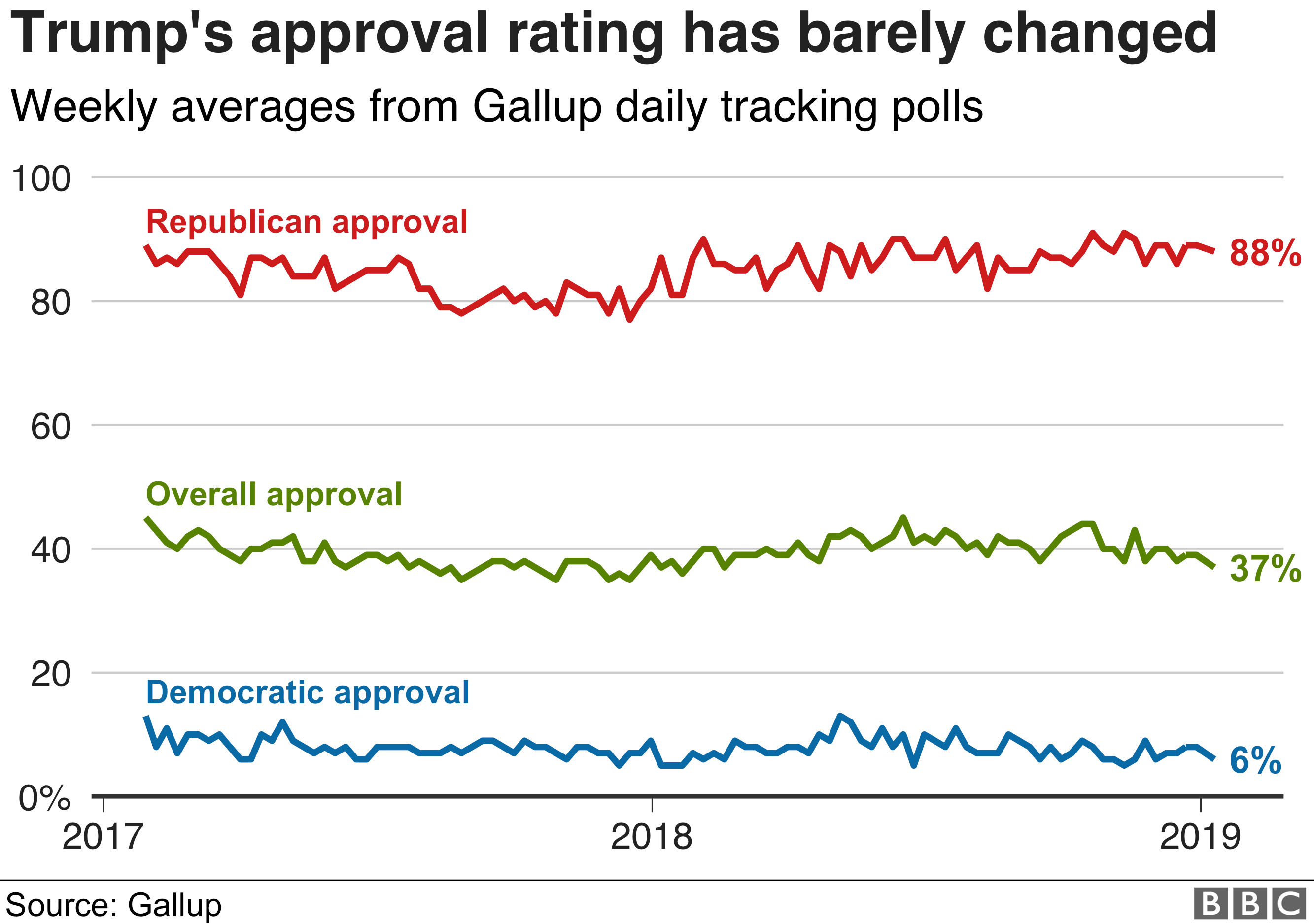
Historically, political leaders have benefited—fairly or unfairly—from national emergencies. Franklin D. Roosevelt’s approval surged after Pearl Harbor. George W. Bush’s ratings jumped post-9/11. More recently, Trump’s support ticked upward following the 2022 rally shooting, with some polls showing a 5-7 point increase in favorable ratings.
This pattern creates fertile ground for speculation. When a leader gains from tragedy, even circumstantially, the human mind seeks causation. Celebrities like Mia Farrow, operating in a realm of symbolism and moral judgment, often interpret events through a narrative lens—justice vs. corruption, truth vs. power.
But when that narrative ventures into accusing a former president of staging violence, it crosses a line. The danger isn’t just in the falsity of the claim, but in its potential to erode trust in all crisis reporting.
Common Triggers That Amplify Conspiracy Theories
- Emotional resonance: Trauma and fear make people more receptive to bold explanations.
- Celebrity influence: A single high-profile voice can lend credibility to fringe ideas.
- Media fragmentation: Outlets with ideological biases amplify extreme takes for engagement.
- Cognitive bias: Confirmation bias leads people to accept claims that align with existing beliefs.
- Satire misinterpretation: Mock content is often taken literally, especially when shared out of context.
Farrow’s comment hit nearly all these triggers. The result? A theory with zero evidence became a talking point across cable news and social media.
The WHCD vs. the Trump Rally Shooting: Clarifying the Confusion
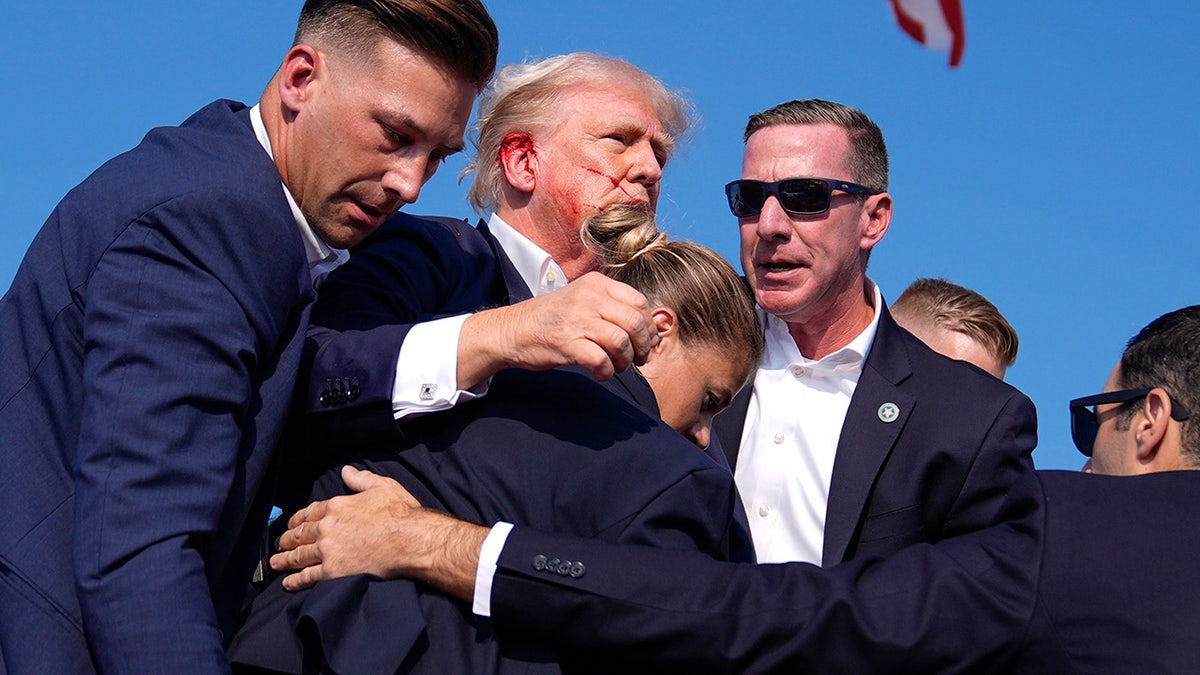
A critical factor in this controversy is the misidentification of events. The White House Correspondents’ Dinner is a longstanding, non-partisan (in theory) event known for its humor and celebrity attendance—not violence. There has never been a shooting at the WHCD.
The real incident Farrow likely referenced occurred at a Trump campaign rally in Butler, Pennsylvania, on July 13, 2022. During the event, a gunman opened fire, killing one spectator and injuring Trump, who sustained a minor ear wound. The attack was confirmed by the FBI, with the shooter killed at the scene.
Trump’s approval ratings did rise in the aftermath. A Reuters/Ipsos poll conducted days later showed his favorability increased from 42% to 48% among registered voters. His approval on handling national security jumped even higher.
While tragic events often unify public sentiment around a leader, especially one perceived as a victim, there is no evidence—none—that the shooting was anything but a real, unconnected act of violence.
Yet, that hasn’t stopped speculation. From both sides of the political spectrum, theories have swirled: Was it a false flag? Was the shooter a pawn? Was it staged?
Farrow’s comment didn’t introduce a new conspiracy—it echoed one already circulating in darker corners of the internet. But her platform gave it new visibility.
The Role of Celebrities in Political Discourse
Mia Farrow is no stranger to political activism. From her advocacy for Darfur refugees to her long-standing support for human rights, she’s used her fame to spotlight global issues. But celebrity political commentary walks a fine line.
When stars speak, they reach millions instantly. But they’re rarely trained in investigative journalism, intelligence analysis, or evidence-based reasoning. Their comments are often emotional interpretations, not factual claims.
Consider past examples: - Rosie O’Donnell once claimed Trump was “working with Russia” years before the Mueller investigation. - Alec Baldwin’s satirical portrayal of Trump on SNL blurred into perceived reality for some viewers. - Bette Midler sparked backlash for suggesting Trump supporters were “racist and ignorant.”
These moments reveal a pattern: celebrities simplify complex political narratives into moral binaries. It’s effective for engagement—but dangerous when it undermines factual discourse.
Farrow’s WHCD comment fits this mold. Instead of calling for investigation or citing sources, she offered a suggestive question—one that implies intent without proof.
The Damage of Baseless Allegations in Polarized Times
Even if unintended, claims like Farrow’s have real consequences.
First, they normalize extreme rhetoric. Once a respected figure floats the idea that a political opponent staged a shooting, it becomes easier for others—especially extremists—to believe it. This lowers the bar for what’s considered acceptable discourse.
Second, they undermine legitimate criticism. Trump has faced valid scrutiny over his rhetoric, legal battles, and conduct in office. But when critics resort to unfounded allegations, it gives defenders a ready-made rebuttal: “They’re just making things up.”
Third, they desensitize the public to real violence. When every tragedy is suspected as a “false flag,” actual victims are reduced to pawns in a political game. The Pennsylvania rally shooter was real. The victim who died—Corey Comperatore—was a real man, a firefighter and father. To imply his death was staged is not just false—it’s disrespectful.
Media’s Role in Amplifying the Claim
Let’s be clear: Mia Farrow’s original tweet had limited reach. It was picked up and amplified by media outlets with a vested interest in conflict.
Conservative networks like Fox News and Newsmax ran segments titled “Mia Farrow Suggests Trump Faked Shooting” and “Hollywood’s War on Trump Escalates.” These reports often omitted context, such as Farrow’s history of activism or the satirical nature of the video she responded to.
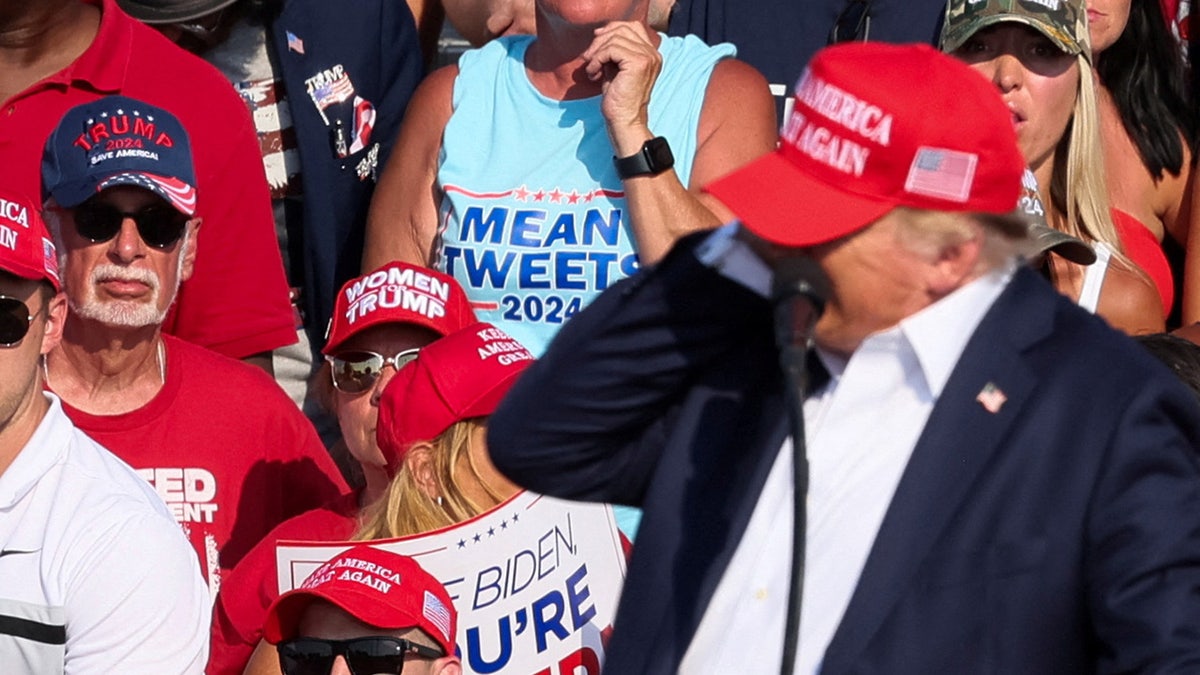
Meanwhile, liberal outlets like The Daily Beast and CNN covered the backlash, framing it as part of a broader culture war. The result? A feedback loop where outrage fuels coverage, which fuels more outrage.
This is modern media’s Achilles’ heel: controversy drives clicks. A speculative comment from a 79-year-old actress becomes national news because it fits a pre-existing narrative—Trump as villain, Hollywood as unhinged.
What This Says About Public Trust in Institutions
Farrow’s comment, however flawed, reflects a deeper crisis: collapsing trust in media, government, and democratic institutions.
A 2023 Pew Research study found that only 28% of Americans say they can trust the government “just about always” or “most of the time.” Similarly, trust in journalists has declined steadily since 2016.
In this vacuum, conspiracy theories thrive. People don’t believe official narratives—not because they’re irrational, but because they’ve seen institutions fail before: Iraq WMDs, media bias, political spin.
So when a celebrity says, “Maybe it was staged,” part of the public listens—not because they believe it’s true, but because they don’t trust the alternative.
How to Navigate Political Claims in the Digital Age
You don’t need to be a fact-checker to avoid falling for baseless theories. Here’s a practical framework:
- Pause before sharing. Ask: “Do I know this is true, or do I just like how it makes me feel?”
- Trace the source. Was the claim made by an eyewitness, investigator, or someone commenting on a joke post?
- Check for corroboration. Are multiple credible outlets reporting the same thing?
- Beware of emotional language. Words like “convenient,” “suspicious,” or “makes you wonder” are red flags for speculation.
- Separate opinion from allegation. Criticism is healthy. Accusing someone of staging violence is not.
When Mia Farrow questioned the WHCD incident, she wasn’t offering a policy critique—she was implying criminal, even terrorist, behavior by a former president. That’s not discourse. It’s incitement, however veiled.
Final Thoughts: Demand Better from Public Figures
Mia Farrow is entitled to her opinion. But with great influence comes great responsibility. Suggesting that a political opponent fabricated a violent attack—especially one that resulted in death—crosses an ethical line.
That doesn’t mean silencing her. It means holding her—and all public figures—accountable for the impact of their words.
In an age of misinformation, our best defense isn’t censorship. It’s critical thinking, context, and courage to call out falsehoods—no matter who spreads them.
Demand evidence. Reject speculation. And never let outrage override truth.
FAQs
Did Mia Farrow directly say Trump staged the WHCD shooting? No. She implied it indirectly, suggesting the timing was “convenient” and making a reference to crisis-driven approval spikes.
Has there ever been a shooting at the White House Correspondents’ Dinner? No. The WHCD has never experienced a violent incident. The confusion stems from mixing it up with the 2022 Trump rally shooting in Pennsylvania.
Did Trump’s approval ratings rise after the rally shooting? Yes. Several polls showed a 5-7 point increase in his favorability shortly after the event.
Why do conspiracy theories like this spread so quickly? They appeal to emotion, confirm existing biases, and spread rapidly on social media—especially when amplified by celebrities or media outlets.
Is it dangerous to suggest political leaders stage violence? Yes. Such claims erode trust, dishonor real victims, and can incite further violence or distrust in democratic processes.
What should I do if I see a similar claim online? Verify the source, check credible news outlets, and avoid sharing until you confirm facts. Use media literacy tools like reverse image search or fact-checking sites.
Has Mia Farrow apologized for the comment? As of now, she has not issued a public apology or clarification.
FAQ
What should you look for in Mia Farrow Claims Trump Could Have Staged WHCD Shooting? Focus on relevance, practical value, and how well the solution matches real user intent.
Is Mia Farrow Claims Trump Could Have Staged WHCD Shooting suitable for beginners? That depends on the workflow, but a clear step-by-step approach usually makes it easier to start.
How do you compare options around Mia Farrow Claims Trump Could Have Staged WHCD Shooting? Compare features, trust signals, limitations, pricing, and ease of implementation.
What mistakes should you avoid? Avoid generic choices, weak validation, and decisions based only on marketing claims.
What is the next best step? Shortlist the most relevant options, validate them quickly, and refine from real-world results.