Walking onto a college campus for the first time can be overwhelming—especially if you’re unsure where your class meets, where to park, or how to find student services. For thousands of students, staff, and visitors, the Ivy Tech Evansville campus is both a starting point and a pathway to new careers. But without a clear idea of the layout, you could waste time circling parking lots or rushing between buildings.
The solution? A precise understanding of the Ivy Tech Evansville map—its buildings, access points, and logistical flow. Whether you're a new student, parent, or someone attending an event, knowing how the campus connects and where key facilities are located reduces stress and improves experience.
This guide breaks down the physical layout of the Evansville campus, highlights essential locations, and gives real-world navigation tips you won’t find on a generic PDF download.
Where Is the Ivy Tech Evansville Campus Located?
Ivy Tech Community College’s Evansville campus sits at the heart of southwestern Indiana’s education and workforce development network. The primary address is:
3501 N First Ave, Evansville, IN 47710
This location places it just north of the city center, easily accessible from I-69 and Highway 41. It's near practical amenities—gas stations, fast-casual dining, and public transit routes—making it convenient for commuters.
But “where it is” isn’t the full story. The real challenge lies in understanding the internal structure: parking zones, building purposes, and pedestrian pathways. That’s where the map becomes critical.
Key Buildings on the Ivy Tech Evansville Campus
The Evansville campus isn’t a sprawling urban university—it’s a compact, multidisciplinary community college focused on accessibility and workforce training. Still, it hosts several key buildings, each serving a distinct role.
1. The Academic Building (Main Building)
This is the hub of campus activity. Home to most classrooms, administrative offices, and student services, the Academic Building is where you’ll start and likely spend most of your day.
- Admissions Office – First floor, east wing
- Financial Aid – Same floor, near the main lobby
- Classrooms – Spread across three floors, with lab-equipped rooms on the second
- Library & Study Areas – Quiet zones and computer access available
Pro tip: If your schedule shows a room number like “AS 112,” the “AS” stands for “Academic South.” Pay attention to prefixes—they matter.
2. The Advanced Technology Center (ATC)
Dedicated to high-demand technical programs, the ATC is a modern addition to the campus. It’s physically connected to the main building but functions as its own zone.
Programs taught here include: - Advanced Manufacturing - Electrical Technology - HVAC & Plumbing - Robotics & Automation
Inside, you’ll find industrial-grade equipment, simulation labs, and safety-certified workspaces. If you're in a trades program, this is your second home. Look for the large loading bays and signage for “Workforce Alliances.”
3. The Student Success Center
More than just a name, this building is designed to keep students on track. Located near the main entrance off First Avenue, it offers:
- Tutoring and academic coaching
- Career counseling and resume workshops
- Disability support services
- TRIO program offices (for eligible students)
Many students overlook this resource until mid-semester. Don’t wait—visit early to set up support systems.
4. The Child Development Center
A unique and essential service, this on-campus facility serves student-parents. It provides affordable, licensed childcare while also functioning as a training lab for Early Childhood Education students.
Access requires enrollment and scheduling—plan ahead. The center is located in a standalone structure near the west parking lot, clearly marked with playground signage.
Parking: Where to Go and What to Avoid
One of the most common frustrations? Finding a legal spot. Ivy Tech Evansville has specific zones, and violating them risks fines or towing.
Here’s how parking breaks down:
| Zone | Who Can Park | Notes |
|---|---|---|
| A & B | Students | Main lots near entrance; arrive early during peak hours |
| C | Faculty/Staff | Badged only; monitored closely |
| D | Visitors & Events | Temporary permits available at the main office |
| Motorcycle | Designated spots | Near the ATC entrance |
Real talk: During registration weeks and finals, spots in Zone A fill up by 7:30 AM. If you’re running late, consider dropping off near the entrance (no idling), then walking back. Or use the overflow lot across First Ave, accessible via crosswalk.
There is no charge to park, but you must display a current campus parking decal. Pick it up at the Public Safety office—bring your class schedule and ID.
Digital vs. Printed Maps: Which Should You Use?
Ivy Tech Evansville offers both digital and physical maps. Each has strengths and weaknesses.
Digital Maps (Website & App)
- Pros: Searchable, updated in real time, accessible on smartphones
- Cons: Requires data connection; less useful during orientation walks
The official Ivy Tech Evansville campus map is embedded on the site with clickable buildings. Some students screenshot it for offline use.
Printed Maps
- Pros: No battery needed; great for orientation days
- Cons: Rarely updated; not always available
You can pick up a printed map at: - Admissions Office - Student Life desk - Public Safety kiosk
Workflow tip: Use the digital map to pre-plan your route, then carry a printed version as backup. Highlight your most-visited buildings with a highlighter.
Common Navigation Mistakes (And How to Avoid Them)
Even seasoned students get turned around. Here are three frequent errors:

1. Confusing Building Names with Abbreviations Room numbers use codes like “ATC 205” or “SSC 102.” If you don’t know that ATC = Advanced Technology Center, you’ll waste time backtracking. Fix: Save a labeled campus map in your phone’s notes or wallet.
2. Ignoring Class Start Times vs. Walk Time A class at 8:00 AM in the ATC starts exactly on time. If you park in Zone D and walk from the far end, you might be late. Fix: Do a trial run before your first week.
3. Assuming All Services Are in One Building Financial Aid is in the Academic Building, but tutoring might be scheduled in the Student Success Center. Don’t assume proximity. Fix: Use the class schedule portal—it often includes building abbreviations and room details.
Services You’ll Find on the Map (And Why They Matter)
The map isn’t just about buildings—it shows access to life-changing resources.
Bookstore & Supplies Located inside the Academic Building, near the cafeteria. Offers:
- Textbooks (new, used, rental)
- Ivy Tech apparel
- Lab coats and tools for technical programs
Renting textbooks here can save 30–50% compared to retail. Bring your course list.
Dining Options Limited but functional:
- Café in the student lounge (sandwiches, coffee, snacks)
- Vending areas on each floor
- Microwaves and seating near restrooms
No full cafeteria, so many students bring meals. There’s a refrigerated community shelf—first come, first served.
Public Safety & Accessibility A 24/7 monitored office at the main entrance. Services include: - Campus escorts after dark - Lost & found - Emergency phones across parking lots
All buildings are ADA compliant. Ramps, elevators, and accessible restrooms are standard. If you need accommodation, contact the SSD office in the Student Success Center.
How to Plan Your First Day Using the Campus Map
Start-to-finish strategy for new students:
- Download the map from ivytech.edu/evansville
- Identify your first class location (check syllabus or email from instructor)
- Locate the nearest parking zone and plan arrival time
- Find restrooms, food options, and help desks near your main building
- Do a dry run—come a day early if possible
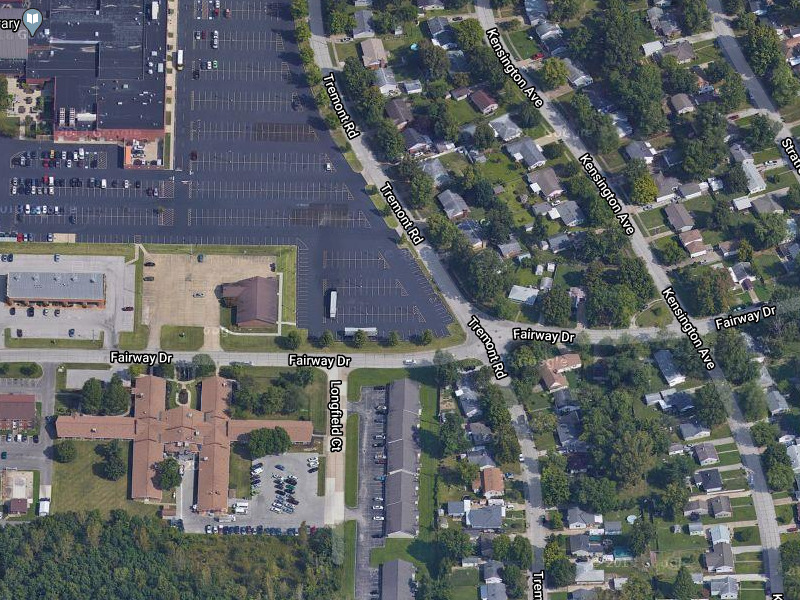
Bonus: Use Google Maps to satellite-view the campus. You’ll see building shapes and lot layouts more clearly than on the stylized version.
Final Tips for Seamless Campus Navigation
- Label your map. Write building names and room numbers directly on a printed copy.
- Use landmarks: The flagpole near First Ave marks the main entrance.
- Follow the color-coded floor guides inside buildings—blue for admin, green for labs.
- Ask for help. Ivy Tech staff are trained to assist with navigation, not just academics.
The campus map is more than a tool—it’s your first step toward confidence and consistency as a student. Whether you're taking one class or working toward a degree, knowing your way around reduces friction and lets you focus on what matters: learning and growth.
Print it. Save it. Know it.
Frequently Asked Questions
Where can I find the official Ivy Tech Evansville campus map? Visit the Evansville campus section of ivytech.edu and look for “Campus Map” under Resources.
Are there parking fees at Ivy Tech Evansville? No, parking is free, but you must display a current parking decal obtained from the Public Safety office.
Is the campus wheelchair accessible? Yes, all buildings and pathways meet ADA standards, with ramps, elevators, and accessible restrooms.
Which building houses the nursing program? Nursing classes are primarily held in the Academic Building, with simulation labs in the ATC.
Can visitors tour the campus? Yes, guided tours are available through Admissions. Contact them to schedule a visit.
Is there a mobile app with the campus map? Not a dedicated app, but the website is mobile-friendly and includes a responsive map.
Where is the nearest public transit stop? The METS bus Route 6 stops at N First Ave and Lynch Road, about a 5-minute walk from campus.
FAQ
What should you look for in Ivy Tech Evansville Map: Campus Layout & Building Guide? Focus on relevance, practical value, and how well the solution matches real user intent.
Is Ivy Tech Evansville Map: Campus Layout & Building Guide suitable for beginners? That depends on the workflow, but a clear step-by-step approach usually makes it easier to start.
How do you compare options around Ivy Tech Evansville Map: Campus Layout & Building Guide? Compare features, trust signals, limitations, pricing, and ease of implementation.
What mistakes should you avoid? Avoid generic choices, weak validation, and decisions based only on marketing claims.
What is the next best step? Shortlist the most relevant options, validate them quickly, and refine from real-world results.