When Greg Cipes said he was “still angry,” few expected the Teen Titans GO! fire to burn this hot—again. The voice behind Beast Boy hasn’t just reignited the long-simmering tension around the show’s direction and behind-the-scenes decisions—he’s poured gasoline on it. Fans thought the outrage over the shift from the beloved 2003 Teen Titans to the increasingly comedic, meme-heavy Teen Titans GO! had cooled. They were wrong.
Cipes’ recent comments, delivered during a live fan event and later echoed in interviews, didn’t just criticize creative choices. He accused Cartoon Network of sidelining talent, ignoring actor input, and prioritizing viral gimmicks over character integrity. The backlash was instant. Social media exploded. Reddit threads lit up. And suddenly, a decade-old debate about what Teen Titans should be is back at the front of pop culture conversation.
This isn’t just about one actor’s grievances. It’s about how animation studios treat legacy talent, how fan expectations evolve, and what happens when nostalgia collides with modern monetization.
The Beast Boy Backlash: What Did Greg Cipes Actually Say?
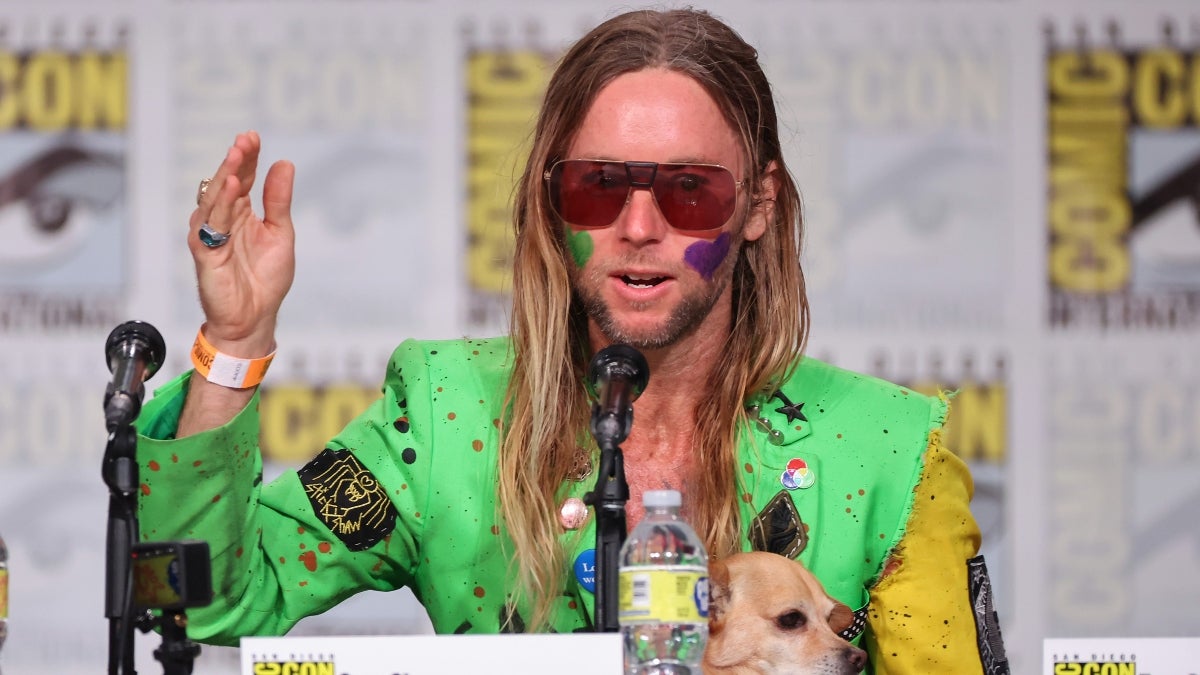
At a Comic Con panel in 2023, Greg Cipes leaned into the mic and dropped a truth bomb: “They took something that meant something and turned it into a toy commercial.” He didn’t mention Teen Titans GO! by name at first, but the subtext was undeniable. He went on to describe a lack of creative involvement, inconsistent scheduling, and feeling “disposable” despite years of loyal performance.
Later, in a podcast interview, he clarified: “I wasn’t fired. But I was marginalized. My input stopped mattering. The show stopped being about growth, teamwork, emotion—everything the original stood for.”
Cipes emphasized that his issue wasn’t with the comedy itself—Teen Titans GO! can be funny—but with the consistency of tone, the absence of character depth, and the studio’s refusal to acknowledge the emotional investment fans and cast alike had made.
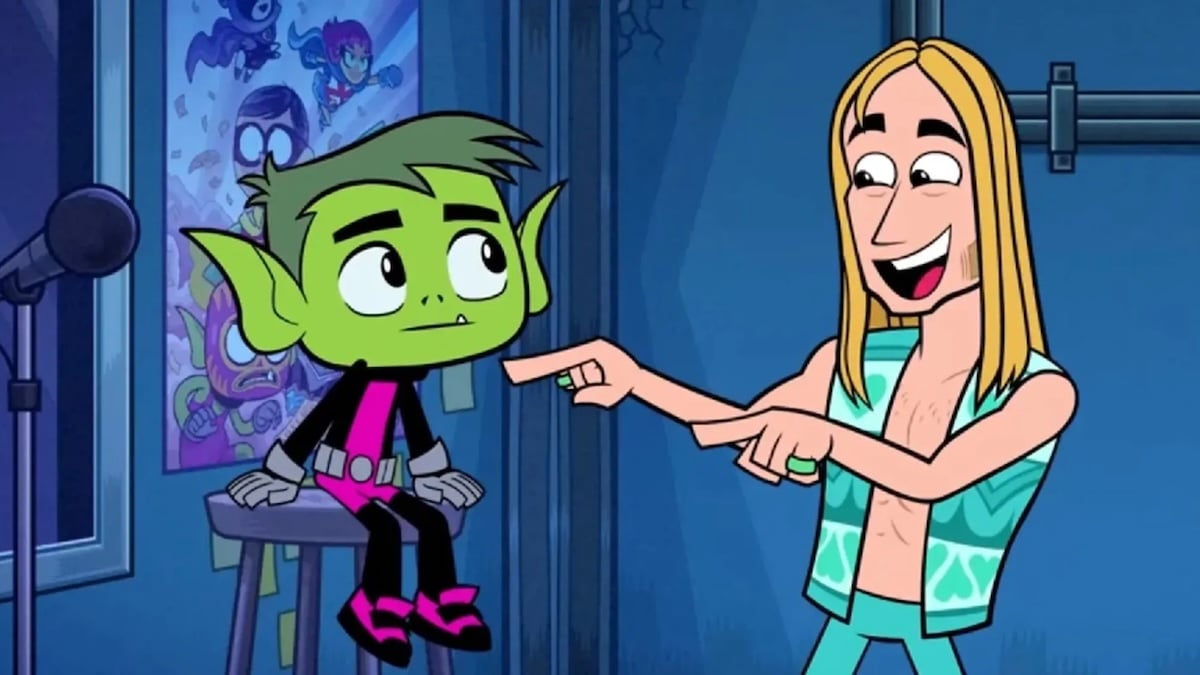
His comments struck a nerve. Beast Boy wasn’t just a sidekick; he was the heart of the original series—funny, vulnerable, evolving from comic relief to a leader. In Teen Titans GO!, that evolution stalled. He became a gag machine, cycling through absurd plots involving waffles, pranks, and interdimensional squirrels.
Fans noticed. They remembered. And now, with Cipes speaking out, they’re asking: who killed the soul of Teen Titans?
How Teen Titans GO! Changed the Game—For Better or Worse? When Teen Titans GO! debuted in 2013, it was a sharp left turn. The original Teen Titans (2003–2006) was a genre-blending action-drama with gothic tones, emotional arcs, and a reverence for superhero storytelling. It dealt with trauma, identity, and morality. Beast Boy grappled with his past. Raven confronted her demonic lineage. Robin wrestled with leadership and legacy.
Teen Titans GO!, by contrast, embraced absurdism. It leaned into meta-humor, surreal gags, and fast-paced, throwaway comedy. Think SpongeBob SquarePants meets The Simpsons cutaway gag—but for superheroes.
From a business standpoint, it worked. Ratings soared. Merchandise flew off shelves. The show became a staple of Cartoon Network’s daytime lineup, especially among younger viewers. YouTube clips racked up billions of views. Memes like “We’re heroes, and we’re having a really good time!” became cultural touchstones.
But success didn’t equal universal approval.
- Older fans felt alienated.
- Critics called it a “parody without a target.”
- Even some writers admitted the show “forgot it was about heroes.”

Cipes’ frustration mirrors this divide. He wasn’t against fun—he voiced plenty of jokes over the years. But he believed the balance was lost. “We used to have episodes where Beast Boy saved the day because he cared, not because he ate a magic burrito,” he said.
The show’s shift wasn’t just creative—it was strategic. Cartoon Network, under corporate pressure to maximize ad revenue and merchandise sales, pivoted hard toward content optimized for short attention spans and shareability. Character arcs? Too slow. Emotional payoffs? Too risky. Just give them waffles and a catchy song.
Behind the Scenes: Was Greg Cipes Really Fired?
No official announcement ever stated that Greg Cipes was “fired” from Teen Titans GO!. But his reduced role, erratic appearance patterns, and his own candid remarks have fans convinced something went wrong.
Here’s what we know:
- In 2021, Cipes missed multiple episodes—unusual for a core cast member.
- Replacement voice actors temporarily filled in for Beast Boy in minor roles.
- Union records show inconsistent booking activity for Cipes in later seasons.
- Co-stars like Scott Menville (Robin) and Tara Strong (Raven) continued regular work on the show.
Was he let go? Did he step back? Or was he quietly phased out?
Cipes has clarified: “I wasn’t fired. But I wasn’t invited.” He described a growing disconnect with producers, a lack of communication, and feeling like his version of Beast Boy no longer fit the mold.
In voice acting, especially in long-running animated series, departure isn’t always dramatic. It’s often a slow fade—fewer lines, fewer sessions, less input—until the actor is effectively gone without a formal exit.
This “soft sidelining” is common in animation, particularly when studios want to maintain continuity without public drama. But when a fan-favorite actor calls it out, the illusion cracks.
The Real Cost of Cartoon Network’s Comedy Turn
Teen Titans GO! didn’t just change one show—it influenced an entire network’s trajectory.
After its success, Cartoon Network greenlit more comedies with similar formulas: high-energy, low-stakes, meme-ready. Shows like Unikitty! and OK K.O.! Let’s Be Heroes followed the blueprint—bright colors, constant jokes, thin plots.
But the shift came at a cost:
| Factor | Original Teen Titans | Teen Titans GO! |
|---|---|---|
| Episode Runtime | 22 min (story-driven) | 11 min (gag-focused) |
| Character Development | Central | Minimal |
| Villain Depth | Complex (Trigon, Slade) | Comic relief (Plasmus as a chef) |
| Fan Demographics | Teens/Young Adults | Kids 6–11 |
| Streaming Performance | Strong cult following | High views, low engagement depth |
The data tells a story: Teen Titans GO! wins in reach, but loses in resonance.
And when a voice actor like Cipes—who embodied Beast Boy’s emotional journey—feels discarded, it raises ethical questions. Should legacy characters be reduced to punchlines? Can a show honor its roots while chasing trends?
More importantly: what message does it send to actors who helped build a franchise?
Fan Reactions: Division, Nostalgia, and Calls for a Reboot
Online communities are split.
On one side: younger fans who grew up with Teen Titans GO! and love its energy. “It’s not supposed to be serious,” one Reddit user wrote. “It’s for kids. Stop being mad because you’re old.”
On the other: fans of the original who see GO! as a betrayal. “They took our childhood and made a meme zoo,” another commented.
But Cipes’ comments have unified a surprising coalition: voice actors, animation historians, and even former CN staff speaking up about industry practices.
- Voice actor Laura Bailey called for better treatment of legacy performers.
- Animation critic David B. Levy pointed to Teen Titans GO! as a cautionary tale of commercialization.
- Fan petitions demanding a “serious” revival have gained tens of thousands of signatures.
There’s a growing demand—not necessarily to cancel Teen Titans GO!—but to acknowledge that the Teen Titans universe is big enough for both comedy and drama.
What’s Next for Beast Boy—and Greg Cipes?
Despite the tension, Cipes hasn’t ruled out a return. “I’ll always be Beast Boy,” he said. “But I want it to mean something again.”
He’s not alone. Rumors of a Teen Titans reboot—possibly blending action and humor with emotional weight—have circulated for years. Warner Bros. Animation has teased “new projects” in development, though nothing confirmed.
Meanwhile, Cipes continues working in animation, voicing characters in Transformers: EarthSpark and appearing in live-action projects. His credibility with fans remains high—partly because he’s one of the few voice actors to openly discuss the industry’s challenges.
For now, the Teen Titans GO! era continues. New episodes air. Memes spread. Kids laugh.
But the conversation has changed. What was once dismissed as “fan whining” is now a legitimate critique of how studios manage legacy IP, treat long-term talent, and balance profit with artistry.
A Wake-Up Call for Animation Studios
The Beast Boy controversy isn’t just about one actor or one show. It’s a symptom of a larger issue in children’s animation:
- Legacy voice actors are often undervalued.
- Nostalgia is monetized without honoring its roots.
- Creative input from performers is routinely ignored.
Studios need to do better. Not just for the actors, but for the fans who grow up with these characters and carry them into adulthood.
Solutions exist:
- Involve original cast in creative discussions.
- Launch companion series that explore deeper character stories.
- Offer transparent communication when roles change.
- Respect the emotional investment behind long-running franchises.
Teen Titans was never just a cartoon. It was a cultural moment. And fans—of all ages—deserve to see it treated that way.
Final Word: Keep the Flame Alive—With Integrity
Greg Cipes didn’t start a war. He reminded us of a promise—one made in 2003 when five misfit heroes stood together on a rooftop and said, “We’re the Teen Titans.”
That promise wasn’t just about fighting villains. It was about growing, connecting, and standing by each other.
If Teen Titans GO! continues, it can still honor that spirit—not through constant jokes, but through moments that matter. And if Beast Boy ever gets his real moment to shine again, let it be because he’s brave, loyal, and heartfelt—not because he turned into a duck.
For fans, the message is clear: keep speaking up. For studios, the path is simple: listen.
FAQ
Did Greg Cipes get fired from Teen Titans GO!? No official firing occurred, but Cipes has stated he was marginalized and excluded from creative input, with reduced involvement in later seasons.
Why is there drama around Teen Titans GO!? The show’s shift from serious storytelling to comedy alienated fans of the original series, and recent comments from Greg Cipes reignited debate over creative direction and treatment of voice actors.
Is Teen Titans GO! still airing? Yes, new episodes continue to air on Cartoon Network and stream on platforms like HBO Max.
Who voices Beast Boy now? Greg Cipes remains the primary voice, though substitute actors have filled in briefly during his absences.
Will there be a Teen Titans reboot? No official announcement has been made, but Warner Bros. Animation has hinted at future projects in the franchise.
What did Greg Cipes say about Cartoon Network? He criticized the network for prioritizing memes and merchandise over character development and for sidelining actors’ creative input.
Is the original Teen Titans cast still involved? Most original voice actors still contribute, but their roles and involvement levels vary, with Cipes being the most vocal about his reduced role.
FAQ
What should you look for in Beast Boy Voice Actor Sparks Fire in Teen Titans GO! Drama? Focus on relevance, practical value, and how well the solution matches real user intent.
Is Beast Boy Voice Actor Sparks Fire in Teen Titans GO! Drama suitable for beginners? That depends on the workflow, but a clear step-by-step approach usually makes it easier to start.
How do you compare options around Beast Boy Voice Actor Sparks Fire in Teen Titans GO! Drama? Compare features, trust signals, limitations, pricing, and ease of implementation.
What mistakes should you avoid? Avoid generic choices, weak validation, and decisions based only on marketing claims.
What is the next best step? Shortlist the most relevant options, validate them quickly, and refine from real-world results.