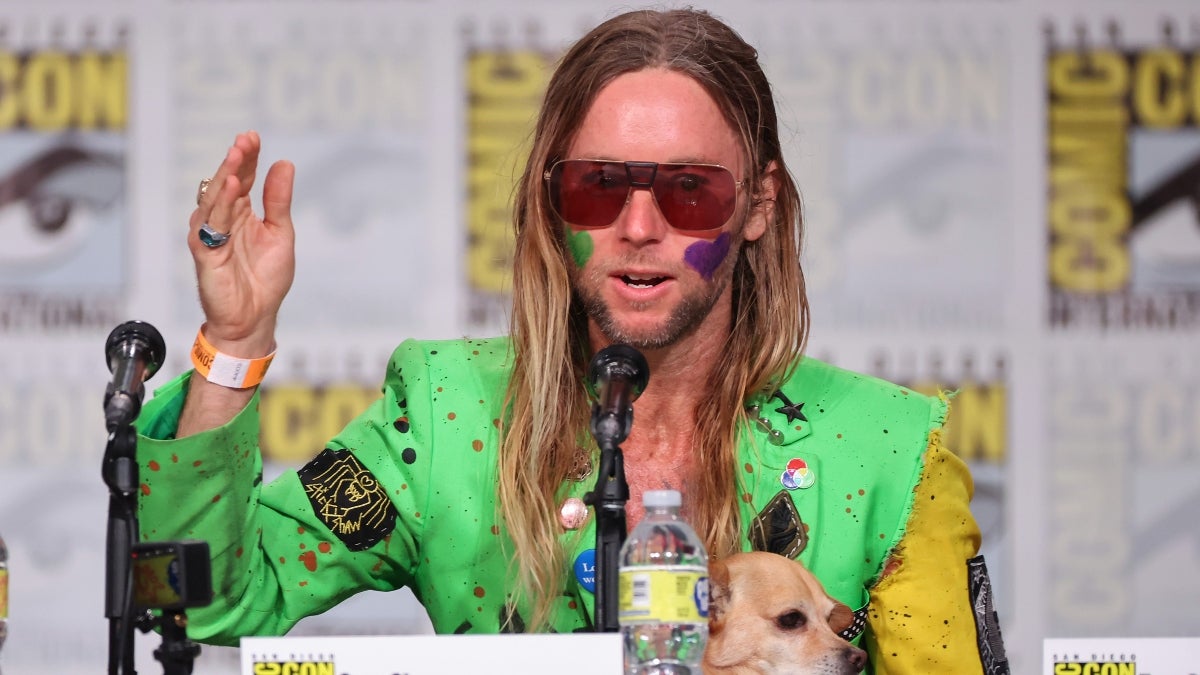
When a beloved sci-fi franchise revives a polarizing character, the backlash can be swift—and vocal. In the case of the Mass Effect universe, one actor’s recent comments about reprising a controversial role have reignited debate among fans. Their reflections offer more than just PR-friendly soundbites; they reveal the tension between narrative risk and fan expectations in long-running game series.
The character in question—once criticized for narrative inconsistency and tonal missteps—has reappeared in new Mass Effect media, likely setting the stage for a broader comeback. The actor, who has been closely associated with the role since its debut, didn’t shy away from addressing the controversy. Instead, they acknowledged it head-on, offering insight that many fans may find both refreshing and revealing.
This isn’t just about one role—it’s a case study in how performers navigate legacy, criticism, and the evolving standards of storytelling in interactive media.
The Character That Divided a Fandom
Few characters in the Mass Effect trilogy sparked as much debate as Javik the Prothean, though depending on context, fans might also point to EDI’s humanoid form or even Liara’s shifting narrative arc. But the real lightning rod has been Kai Leng, the Cerberus operative introduced in Mass Effect 3.
Kai Leng was meant to be a rival to Commander Shepard—elite, ruthless, and ideologically opposed. In practice, many players found him underdeveloped, his combat mechanics frustrating, and his narrative victories over Shepard (especially during mission failures) deeply unsatisfying. The backlash was so intense that he became a meme, a symbol of Mass Effect 3’s perceived narrative missteps.
So when rumors emerged of Kai Leng—or a version of him—potentially returning in upcoming Mass Effect projects, fans braced for impact. And when the actor behind the character, Troy Baker, quietly confirmed his involvement in new recordings, speculation exploded.
Troy Baker Breaks Silence on Kai Leng’s Return
In a 2024 interview with IGN, Troy Baker was asked directly if he’d return to voice Kai Leng. His answer wasn’t just “yes”—it was layered.
“I understand why people have strong feelings about that character. He was written in a time when the franchise was under immense pressure to close a trilogy. But I’ve always seen Kai Leng less as a villain and more as a dark mirror to Shepard—someone who believed in order over chaos, even if his methods were brutal. If we’re revisiting him, I hope we get to explore that complexity.”
Baker didn’t dodge the criticism. Instead, he reframed it—positioning the character not as a narrative failure, but as an unfinished idea. He acknowledged the frustrations: the abrupt boss fights, the lack of emotional buildup, the sense that Kai Leng was “inserted” rather than earned. But he also emphasized that actors often work with incomplete scripts during game development, especially in large studios under tight deadlines.
His comments suggest a deeper truth: sometimes, a character’s reception has less to do with the performance and more with structural storytelling issues.
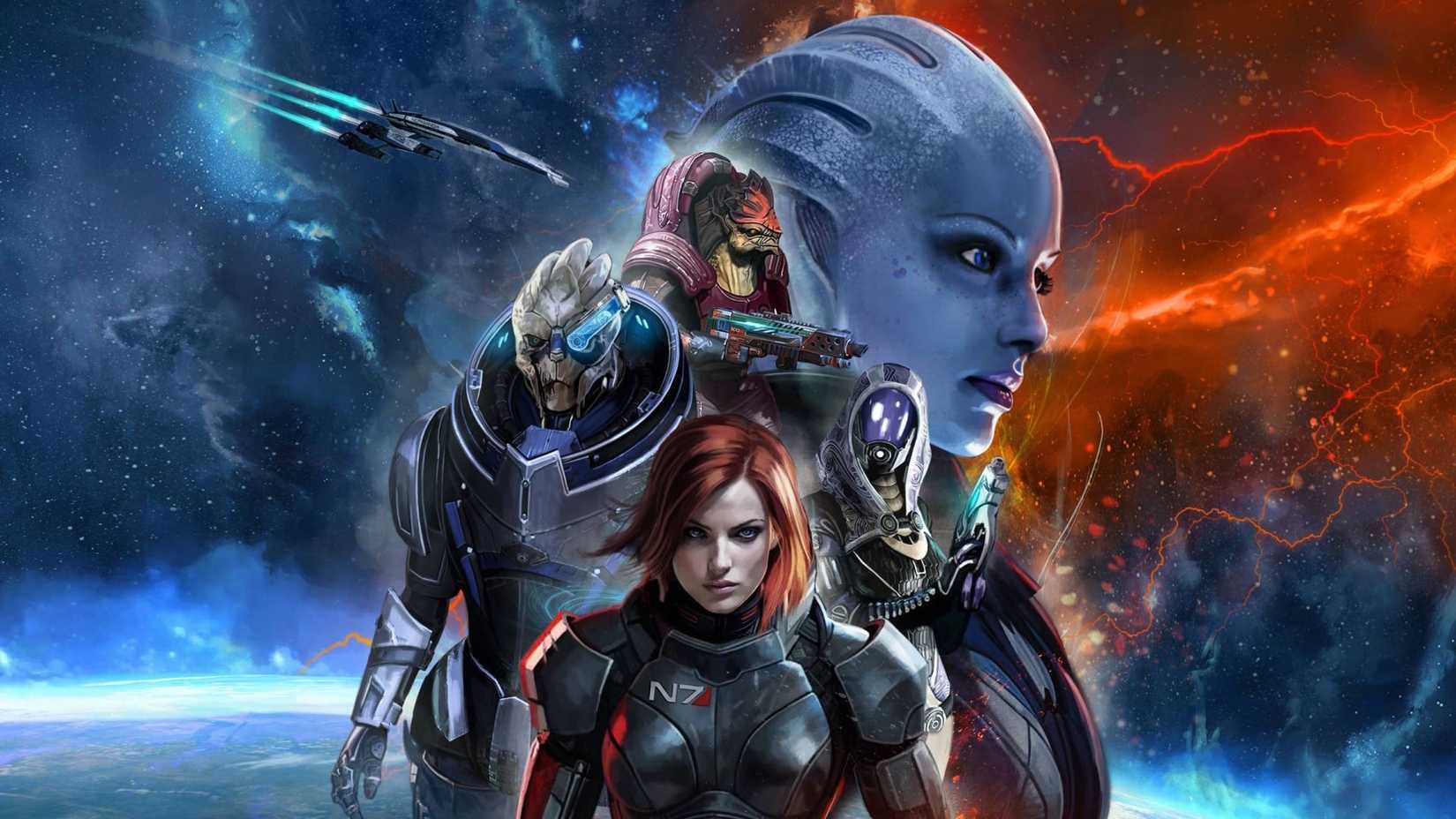
Why Controversial Returns Matter in Game Franchises
The return of a divisive character isn’t just a creative decision—it’s a strategic one. Reintroducing Kai Leng (or any contentious figure) does several things:
- Tests fan loyalty: Will players engage with content they previously rejected?
- Offers redemption: Narrative second chances can turn liabilities into strengths.
- Expands lore: Even flawed characters can serve as plot catalysts or thematic foils.
Baker’s openness to revisiting Kai Leng signals confidence in the writing team’s ability to course-correct. It also reflects a broader trend in gaming: treating characters as evolving assets rather than fixed endpoints.
Consider The Last of Us, where characters like Abby generated intense backlash upon release—only to earn nuanced reconsideration through gameplay and storytelling. Baker, ironically, played Joel in the game’s original voice work, giving him firsthand experience with how player sentiment can shift over time.
Behind the Scenes: Voice Acting in Evolving Franchises
Voice acting in AAA games is rarely a one-and-done process. Actors like Baker, Jennifer Hale, and Mark Meer often return to roles years or even decades later. But re-engaging with a controversial character adds layers of complexity:
- Emotional baggage: The actor may carry their own frustrations about how the character was written.
- Fan expectations: Players don’t just remember the voice—they remember how the character made them feel.
- Narrative continuity: Can the new story reconcile past inconsistencies?
Baker hinted at these challenges when he said: > “When you come back to a role after years, you have to ask: who is this person now? Not just in the script, but in the audience’s mind. You can’t ignore the history.”
This awareness is critical. It shows that the performance isn’t just about vocal delivery—it’s about narrative rehabilitation.
One practical example: if Kai Leng returns not as a Cerberus enforcer, but as a disillusioned operative grappling with indoctrination or guilt, the character gains depth. Baker’s range—evident in roles like Booker DeWitt (BioShock Infinite) or Joe Miller (The Last of Us)—makes such a pivot believable.
But success depends on more than acting. It requires writing that earns the return, not just assumes it.
What Fans Should Watch For in the Character’s Return
If Kai Leng—or another controversial figure—does return, here are key signs that the narrative is handling it well:
- Motivational clarity: Does the character have coherent, evolved reasons for their actions?
- Narrative humility: Does the story acknowledge past failures, either subtly or directly?
- Meaningful integration: Is the character essential to the plot, or just a nostalgia play?
- Gameplay parity: Are encounters with the character balanced and engaging, not frustrating?
- Emotional payoff: Does the arc deliver closure or insight, not just spectacle?
Baker’s involvement suggests the team is thinking carefully about these elements. His track record of advocating for character depth—both in interviews and through performance—lends credibility to the project.

Still, fans should remain cautious. Reboots and reimaginings often promise redemption but deliver retcons. The real test will be whether the new Mass Effect content treats the character’s past not as an embarrassment to erase, but as a foundation to rebuild from.
Lessons for Game Developers and Writers
The Mass Effect situation offers broader lessons for studios revisiting controversial elements:
- Listen to criticism, but don’t be paralyzed by it. Fan feedback is valuable, but knee-jerk reversals can feel hollow.
- Give actors agency in character rehabilitation. Performers often understand their roles more deeply than fans assume.
- Use time gaps wisely. A decade between appearances is a gift—use it to mature the character, not just reskin them.
- Avoid “fan service” without substance. Bringing back a hated character just to shock or please a niche group rarely works.
- Embrace complexity, not just redemption. Not every character needs to become a hero—some just need to become understandable.
Baker’s comments model this mindset. He doesn’t defend Kai Leng uncritically, nor does he disown the role. He treats it as a work in progress—a rare and valuable perspective in an industry that often treats past decisions as permanent.
A Nuanced Path Forward for Mass Effect
The return of a controversial character in Mass Effect isn’t just about nostalgia or shock value. It’s an opportunity to mature the franchise’s storytelling—to acknowledge missteps while pushing forward with greater nuance.
Troy Baker’s willingness to re-engage with Kai Leng demonstrates a level of creative courage. He’s not hiding from the backlash. He’s using it as a springboard for deeper exploration.
For fans, this should be encouraging. It suggests the new Mass Effect era won’t just rehash old glories, but will grapple with the franchise’s full history—flaws and all.
That kind of honesty—both in performance and in writing—might just be the key to winning back skeptics.
FAQs
Why is Kai Leng so controversial in Mass Effect? Kai Leng was criticized for his abrupt introduction, frustrating boss fights, and perceived narrative favoritism, especially when he bested Shepard in key moments.
Did Troy Baker enjoy playing Kai Leng? While Baker acknowledged the character’s challenges, he’s expressed interest in exploring Kai Leng’s ideological depth, suggesting he sees untapped potential.
Is Kai Leng confirmed to return in a new Mass Effect game? As of now, there’s no official confirmation, but Troy Baker has hinted at new voice recordings, fueling strong speculation.
Can a hated character be successfully revived in a game series? Yes—examples like Abby in The Last of Us Part II show that with strong writing and emotional depth, even polarizing characters can earn reconsideration.
How do voice actors influence character perception? Actors shape tone, emotion, and nuance. A strong performance can add depth even to underwritten roles, as seen with Baker’s work across multiple franchises.
What makes a character redemption arc work in video games? It needs narrative consistency, player agency, emotional buildup, and gameplay integration—not just expository dialogue.
Should Mass Effect ignore Kai Leng’s past or address it? Addressing it head-on—through story, dialogue, or character growth—would be more satisfying and respectful to long-time fans.
FAQ
What should you look for in Mass Effect Actor Reacts to Controversial Character’s Return? Focus on relevance, practical value, and how well the solution matches real user intent.
Is Mass Effect Actor Reacts to Controversial Character’s Return suitable for beginners? That depends on the workflow, but a clear step-by-step approach usually makes it easier to start.
How do you compare options around Mass Effect Actor Reacts to Controversial Character’s Return? Compare features, trust signals, limitations, pricing, and ease of implementation.
What mistakes should you avoid? Avoid generic choices, weak validation, and decisions based only on marketing claims.
What is the next best step? Shortlist the most relevant options, validate them quickly, and refine from real-world results.