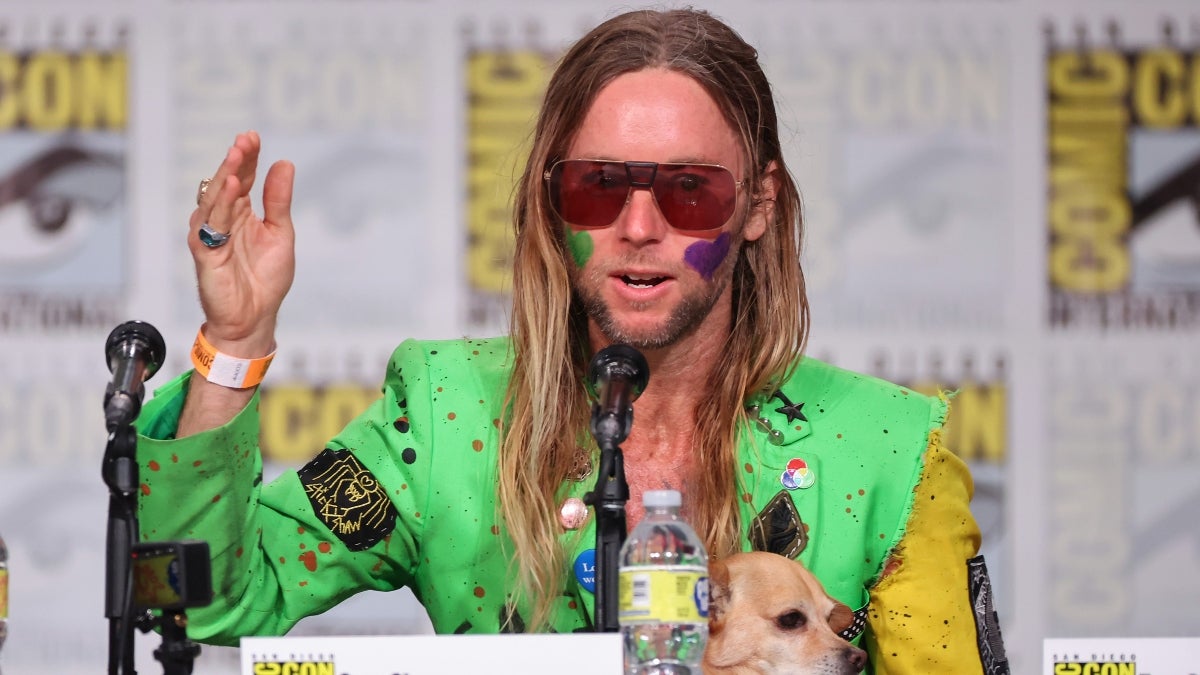
David Haye is once again at the center of a media firestorm—not for a knockout punch or a viral boxing moment, but for words that many now say cross the line from edgy humor to outright bigotry. As allegations of bullying behavior on I’m a Celebrity…Get Me Out of Here! emerge, old interviews and podcast appearances are being re-examined, dragging controversial comments about gang rape and racial violence back into the public eye. The fallout threatens to redefine his legacy beyond the ring.
This isn’t just another celebrity scandal. It’s a case study in how past rhetoric resurfaces in the age of accountability—and how one misstep, or several, can destabilize even the most carefully constructed public image.
The Spark: Bullying Claims on I’m a Celebrity
Reports from behind the scenes of ITV’s I’m a Celebrity…Get Me Out of Here! suggest David Haye’s time in the Australian jungle was marked by confrontational behavior. Multiple sources claim he targeted other contestants with aggressive remarks, created tension in camp, and displayed a lack of empathy—particularly toward individuals from marginalized backgrounds.
While reality TV often thrives on drama, the nature of Haye’s alleged behavior goes beyond typical squabbles. Insiders describe an atmosphere of discomfort, with some participants feeling isolated or intimidated. One crew member, speaking anonymously, said: “David wasn’t just competitive—he seemed to enjoy asserting dominance in a way that felt personal.”
When images of Haye smirking during a heated exchange surfaced online, critics were quick to connect the dots to his past statements, arguing this wasn’t an isolated incident but part of a pattern.
The Resurfaced Comments: When Jokes Stop Being Funny
In 2014, during an interview with The Sun, Haye made a comment that has since haunted him: referring to then-rival Dereck Chisora, he said, “I’ll chop his spine off, feed it to stray dogs, and gang-rape his sister.” The remark, widely condemned at the time, was dismissed by Haye as “hyperbole” and “locker-room banter.” He later apologized, claiming it was “poorly worded” and not meant literally.
But in today’s cultural climate, such language is no longer shrugged off. The phrase “gang-rape his sister” is not just offensive—it invokes real trauma for countless survivors and normalizes sexual violence. Repeating it, even in jest, contributes to a culture that minimizes assault.
More troubling are lesser-known clips from podcast appearances where Haye used racialized language and made flippant remarks about hate crimes. In one 2017 podcast, he jokingly referred to a group of young Black men as “feral,” later doubling down when challenged. He also mocked racially motivated attacks as “overblown,” suggesting victims “should toughen up.”
These clips, now circulating on social media with #CancelDavidHaye, have reignited outrage. Advocacy groups like Rape Crisis England & Wales and Show Racism the Red Card have issued statements calling for accountability.
The Defense: “It’s Just Banter” Doesn’t Work Anymore

Haye’s team has pushed back aggressively. His publicist released a statement calling the backlash “a witch hunt” and argued that “context is being erased.” They maintain that Haye has evolved, pointing to charity work with youth programs and anti-bullying campaigns.
Fans echo this sentiment. On forums and social media, supporters claim Haye’s personality is “larger than life” and that his comments were never meant to incite harm. “He’s a boxer,” one Reddit user wrote. “You don’t get into the ring with sugar-coated words.”
But cultural norms have shifted. What might have been excused as “lad banter” a decade ago is now seen as part of a broader pattern of harmful discourse. The issue isn’t just one-off comments—it’s the cumulative impact of repeatedly using violent, dehumanizing language, especially when wielded by someone with a large platform.
Experts in media ethics argue that public figures have a responsibility to model better behavior. “Celebrities don’t just reflect culture—they shape it,” says Dr. Lena Peterson, a sociologist at King’s College London. “When someone with Haye’s influence jokes about sexual violence, it sends a message that these topics aren’t serious.”
The Impact: Sponsors, Public Image, and Legacy
The consequences are already materializing. Within 48 hours of the controversy erupting, two brands quietly dropped their partnerships with Haye. A fitness app that featured him in a promotional campaign removed all content by midweek, citing “brand alignment concerns.”
More damaging is the erosion of goodwill. Haye spent years rebuilding his image after the Chisora incident, positioning himself as a sharp-tongued but insightful boxing analyst. Now, that credibility is in question. Viewers have taken to Twitter to demand his removal from broadcasting panels, with some calling for Ofcom to investigate whether his past remarks violate standards for on-air personalities.
Even within the boxing community, support is fractured. Former champion Tony Bellew, once a friend, distanced himself: “I love David, but some of that stuff? Unacceptable. He needs to do better.”
The long-term risk is legacy damage. Haye’s accomplishments—undefeated cruiserweight champion, heavyweight titleholder, one of Britain’s most charismatic fighters—could be overshadowed by controversy. In the court of public opinion, perception often outweighs redemption.
Cancel Culture or Accountability? The Bigger Debate
This moment forces a necessary conversation: where do we draw the line between holding people accountable and denying them the chance to grow?
On one side, activists argue that tolerating such language enables harm. “We can’t keep letting influencers use ‘joke’ as a shield,” says Nia Clarke, a campaigner with the anti-racism group Act Against Abuse. “Words like ‘gang rape’ aren’t punchlines. They’re triggers for real people.”
On the other, critics warn of a culture of perpetual punishment. “People change,” argues media commentator James Rolfe. “If we never allow growth, we create a society with no path to redemption.”
The truth lies in the nuance. Accountability doesn’t have to mean cancellation. It can mean consequences—lost sponsorships, public apologies, enforced education, or stepping back from platforms until behavior changes. But it also requires sincerity. Vague “I’m sorry if you were offended” statements won’t cut it.

For Haye, the path forward depends on whether he engages meaningfully with the criticism—or doubles down.
What David Haye Should Do Now
Damage control starts with action, not spin. Here’s what would constitute a credible response:
- Issue a Specific Apology – Not a blanket “sorry for any offense,” but a clear acknowledgment of the harm caused by each type of comment (rape, racism, bullying).
- Engage with Advocacy Groups – Meet with organizations representing survivors and racial justice advocates to understand the impact of his words.
- Step Back from Public Platforms Temporarily – Pause media appearances and endorsements until a period of reflection and education is complete.
- Fund or Support Relevant Causes – Financial backing for anti-violence or anti-racism initiatives would signal commitment beyond words.
- Undergo Sensitivity Training – Publicly commit to education on gender-based violence and racial bias, ideally with third-party verification.
Without such steps, the backlash will persist. Apologies without action are just PR.
The Broader Lesson: Power, Platform, and Responsibility
David Haye’s situation isn’t isolated. It reflects a wider reckoning in entertainment and sports, where past behavior is being re-evaluated under modern ethical standards. From Jimmy Carr’s offensive jokes to Chris Brown’s ongoing controversies, the message is clear: platforms amplify impact, and with that comes responsibility.
For public figures, the rules have changed. Intent no longer absolves impact. Context matters, but so does consistency. One apology in 2014 doesn’t inoculate someone from scrutiny in 2025.
And for audiences, it’s a reminder to hold our icons to higher standards—not to tear them down, but to demand better. We don’t need perfection. We need accountability, growth, and respect.
David Haye built his career on being fearless in the ring. Now, he faces a different kind of test: the courage to admit fault, make amends, and prove that change is possible.
FAQ
Did David Haye actually promote gang rape? No, Haye used the phrase as hyperbolic trash talk in a 2014 interview. However, using sexual violence as a metaphor is widely condemned for trivializing a serious crime.
What did David Haye say about racism? In past podcast appearances, Haye used racially charged language and downplayed the severity of hate crimes, calling victims “oversensitive” and describing groups with derogatory stereotypes.
Is David Haye being cancelled? While not officially “cancelled,” he’s facing significant backlash, lost sponsorships, and calls for his removal from media roles due to resurfaced comments and bullying allegations.
Has David Haye apologized before? Yes, he apologized in 2014 for the gang-rape remark, calling it poor wording. Critics argue his apologies lack depth and have not been followed by consistent behavioral change.
What is the I’m a Celebrity bullying row about? Former crew and participants allege Haye created a hostile environment during filming through aggressive behavior, lack of empathy, and targeting weaker contestants.
Can public figures redeem themselves after such controversies? Yes, but redemption requires more than apologies. It demands education, changed behavior, and tangible efforts to repair harm.
Should offensive jokes be taken seriously? When made by influential figures, yes. Jokes about violence or oppression can normalize harmful attitudes, even if framed as humor.
FAQ
What should you look for in David Haye Faces Backlash Over Past Comments Amid I'm a Celebrity Row? Focus on relevance, practical value, and how well the solution matches real user intent.
Is David Haye Faces Backlash Over Past Comments Amid I'm a Celebrity Row suitable for beginners? That depends on the workflow, but a clear step-by-step approach usually makes it easier to start.
How do you compare options around David Haye Faces Backlash Over Past Comments Amid I'm a Celebrity Row? Compare features, trust signals, limitations, pricing, and ease of implementation.
What mistakes should you avoid? Avoid generic choices, weak validation, and decisions based only on marketing claims.
What is the next best step? Shortlist the most relevant options, validate them quickly, and refine from real-world results.