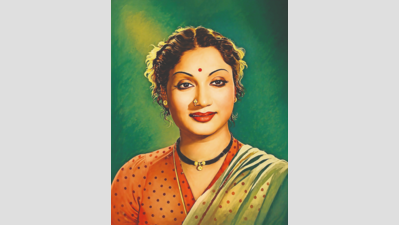
She didn’t wait for permission. She didn’t conform. G Varalakshmi entered Indian cinema not with a whisper, but with a roar—delivering performances that were raw, rebellious, and radically ahead of their time. While many actresses of her era were cast as demure heroines or tragic wives, Varalakshmi carved a niche as the “rowdy actress”—a label she wore with pride, turning what could have been a dismissal into a badge of defiance.
Her career wasn’t built on glamour or soft lighting. It was built on audacity. From playing rogue characters to challenging patriarchal norms on screen, she didn’t just act—she provoked. At a time when Indian cinema was still finding its voice, Varalakshmi used hers to disrupt, to question, and to entertain in ways few dared.
Breaking the Mold: Who Was G Varalakshmi?
G Varalakshmi wasn’t just another actress in the Telugu and Tamil film industries—she was a phenomenon. Born in the early 20th century, a period when women in public life were often scrutinized or marginalized, she chose a path few could have imagined: the silver screen. But unlike her contemporaries who embraced traditional roles, Varalakshmi leaned into complexity, often portraying women who were loud, lusty, and unapologetically in control.
Her real name—Goparaju Varalakshmi—has become synonymous with boldness in South Indian cinema. Starting her career in the 1930s and 1940s, she quickly gained attention not just for her striking screen presence but for her willingness to play characters that defied social expectations. Think of her as the original anti-heroine—long before the term became a genre staple.
What set her apart wasn’t just her roles, but her persona. She was known for her fiery temperament, sharp wit, and refusal to bow to studio pressures. Directors either loved her or couldn’t handle her—but no one ignored her.
The “Rowdy” Label: Rebellion as Brand
Calling G Varalakshmi “rowdy” wasn’t just about on-screen behavior—it was a cultural commentary. In a society where women were expected to be soft-spoken, obedient, and emotionally restrained, her performances were electric shocks. She laughed loudly, argued fiercely, and often outsmarted male leads rather than submitting to them.
Take her role in Chenchu Lakshmi (1939), one of her earliest and most notable films. As a tribal woman, she portrayed strength, independence, and sexual agency—themes rarely explored in Indian cinema at the time. The film stirred controversy, not because of its plot, but because of how unapologetically Varalakshmi owned her character’s autonomy.
The “rowdy” tag quickly followed. Critics used it pejoratively, implying she was undisciplined or vulgar. But audiences—and later, historians—reclaimed it. For them, “rowdy” meant fearless. It meant someone who refused to be silenced, both on and off screen.
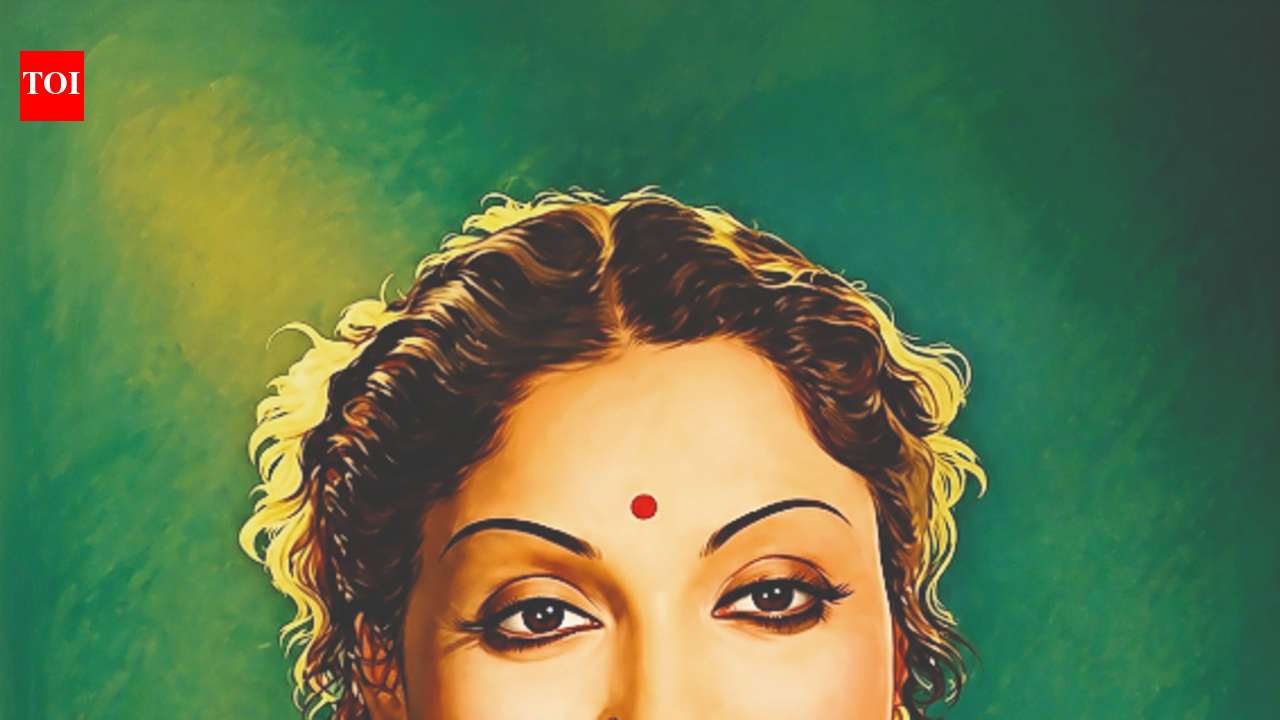
Defying Convention: How She Redefined Female Roles
Long before modern conversations about representation, G Varalakshmi was doing the work. She didn’t play damsels. She didn’t play victims. She played women with desires, ambitions, and flaws.
Consider her performance in Mala Pilla (1938), a social reform film that tackled caste discrimination. Varalakshmi played a progressive woman advocating for inter-caste marriage—a politically charged topic even today. Her character wasn’t just supportive; she was the driving force behind the narrative’s moral arc.
Her filmography reveals a pattern: she consistently chose roles that challenged the status quo. Whether it was advocating for women’s education, critiquing dowry practices, or portraying working-class heroines, Varalakshmi used cinema as a tool for social commentary.
And she did it without sacrificing entertainment value. Her performances were layered—emotional yet grounded, passionate yet precise. She brought realism to an industry that often leaned into melodrama.
Behind the Scenes: A Life of Resistance
Varalakshmi’s defiance wasn’t limited to her roles. Off-screen, she was known for standing up to male-dominated production houses, demanding fair pay, and pushing for creative control—unheard-of demands for actresses in that era.
There are accounts of her refusing to reshoot scenes she felt were demeaning. She reportedly clashed with directors who wanted to soften her characters, insisting that their edge was their truth. In an industry where silence was often the price of employment, her vocal resistance cost her roles—but also earned her respect.
She also broke personal barriers. A single mother in a conservative society, she raised her child while maintaining a full-time career—something few public women of her time could do without facing criticism. Yet, she never apologized for it. If anything, she used her visibility to normalize women’s independence.
Stealing the Show: Signature Performances
It wasn’t just the roles she played—it was how she played them. Varalakshmi had a way of commanding attention, even in ensemble casts. Here are a few standout performances that cemented her legacy:
Draupadi Vastrapaharanam (1936) In this mythological retelling, Varalakshmi played Draupadi with a rare ferocity. Instead of portraying her as a passive victim of humiliation, she infused the character with defiance and moral authority. Her courtroom monologue—delivered in a steady, searing tone—became legendary.
Palletoori Pilla (1950) As a rural schoolteacher advocating for modern education, Varalakshmi delivered a performance that balanced warmth and firmness. The film was a hit, and her character became a role model for young women entering public service.
Vande Mataram (1939) A patriotic drama during the independence movement, Varalakshmi played a revolutionary woman organizing protests. Her rallying speeches weren’t just scripted lines—they felt like calls to action. Some theaters even reported audiences standing in ovation.
.jpg)
Each role showcased her range, but more importantly, her consistency. She never diluted her message. Whether in mythological, social, or patriotic films, she played women who led, challenged, and inspired.
The Legacy: Why She Still Matters
G Varalakshmi didn’t just make movies—she made space. For actresses who came after her—like Vijayashanti, Ramya Krishnan, or even modern performers like Keerthy Suresh—Varalakshmi’s career serves as a blueprint for how to wield influence beyond the script.
Her legacy lives in every female-led action film, every socially conscious drama, every character who refuses to be sidelined. She proved that an actress could be both commercially viable and ideologically bold.
But her impact extends beyond cinema. She became a symbol of feminist resistance in early 20th-century India—a time when women’s rights movements were still gaining momentum. Her life reminds us that rebellion doesn’t always look like protest marches; sometimes, it looks like a woman refusing to smile on cue.
Common Misconceptions About Her Career
Despite her prominence, several myths persist about G Varalakshmi:
- Myth: She only played negative roles.
- Reality: While she played strong, confrontational characters, they were rarely “villains.” Her roles were morally complex, often positioned as correct within the film’s social critique.
- Myth: She was difficult to work with.
- Reality: She was principled. Directors who respected her artistry praised her professionalism. Those who saw her as “difficult” often wanted compliance, not collaboration.
- Myth: Her fame was short-lived.
- Reality: She remained active in cinema and theater for over three decades, influencing generations of performers.
Understanding these nuances is key to appreciating her true contribution—not as a scandalous figure, but as a serious artist with a mission.
Steal the Spotlight: What Modern Performers Can Learn
G Varalakshmi’s career offers actionable lessons for today’s actors and creators:
- Own your narrative. She controlled her image, even when studios tried to reshape it.
- Use your platform. She chose stories that mattered, not just those that paid well.
- Embrace complexity. She never reduced her characters to caricatures—good or evil.
- Demand respect. She set boundaries early and stuck to them, raising the bar for others.
Actors today can take a page from her playbook: success isn’t just about visibility—it’s about integrity.
Final Word: The Unapologetic Icon
G Varalakshmi didn’t just steal the show—she rewrote the script. In an era that demanded conformity, she chose chaos. In an industry that silenced women, she spoke louder. Her legacy isn’t measured in awards or box office numbers, but in the doors she kicked open for those who followed.
To call her “rowdy” is accurate—but incomplete. She was revolutionary. Uncompromising. Essential.
For anyone seeking inspiration in authenticity, G Varalakshmi remains one of Indian cinema’s most electrifying pioneers. Watch her films not just for history, but for fire.
Frequently Asked Questions
Who was G Varalakshmi? G Varalakshmi was a pioneering actress in South Indian cinema, known for her bold performances and defiance of social norms in the 1930s–1950s.
Why was she called the “rowdy actress”? The term referred to her unapologetically fierce on-screen persona and off-screen resistance to industry conventions.
What are some of her most famous films? Notable films include Chenchu Lakshmi, Mala Pilla, Draupadi Vastrapaharanam, and Vande Mataram.
Did G Varalakshmi face backlash for her roles? Yes—her portrayals of independent, sexually assertive, or socially defiant women sparked controversy but also critical acclaim.
How did she influence later actresses? She paved the way for strong female leads in Indian cinema, proving that women could drive narratives and challenge norms.
Was she involved in social activism? Her film choices often reflected reformist values, advocating for women’s rights, education, and caste equality.
Is G Varalakshmi still remembered today? Yes—she is celebrated as a trailblazer in film history and a symbol of early feminist resistance in Indian entertainment.
FAQ
What should you look for in G Varalakshmi: The Rowdy Actress Who Defied Convention? Focus on relevance, practical value, and how well the solution matches real user intent.
Is G Varalakshmi: The Rowdy Actress Who Defied Convention suitable for beginners? That depends on the workflow, but a clear step-by-step approach usually makes it easier to start.
How do you compare options around G Varalakshmi: The Rowdy Actress Who Defied Convention? Compare features, trust signals, limitations, pricing, and ease of implementation.
What mistakes should you avoid? Avoid generic choices, weak validation, and decisions based only on marketing claims.
What is the next best step? Shortlist the most relevant options, validate them quickly, and refine from real-world results.